
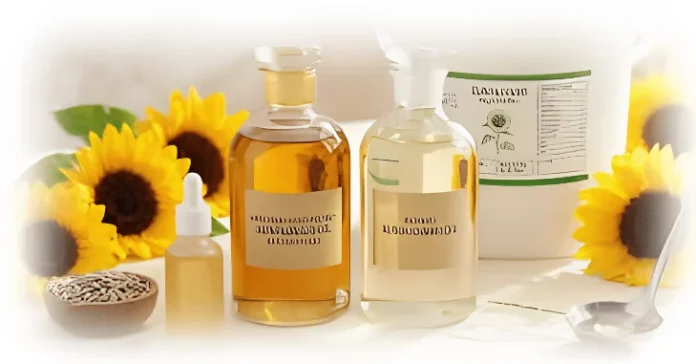
THC cooking oil combines an edible oil with an intoxicating cannabis compound. It can be added to foods where applicable laws permit cannabis products. Yet its delayed effects and uncertain potency can make careful handling especially important.
Direct answer: THC cooking oil is an edible oil containing psychoactive tetrahydrocannabinol. It may be used as a food ingredient where applicable laws allow cannabis products. Effects can be delayed and longer-lasting than inhaled cannabis, making clear labels, secure storage, and careful serving decisions important.
| Key question | What U.S. adults should know |
|---|---|
| What is it? | An edible oil containing an intoxicating cannabis cannabinoid |
| Is it the same as vape oil? | No. Products intended for inhalation should not be treated as food ingredients. |
| How quickly can effects appear? | Edible effects may take 30 minutes to two hours to begin. |
| Can homemade potency be exact? | Usually not without reliable testing |
| Is it federally simple to sell in food? | No. FDA rules create significant restrictions. |
| Do state laws matter? | Yes. Cannabis rules vary widely between states. |
| What is a major household risk? | Accidental ingestion by children, pets, or unaware adults |
| How should it be stored? | Clearly labeled, separated, and inaccessible to children and pets |
Key Takeaways
- Edible cannabis can take longer to affect someone than inhaled cannabis.
- Delayed effects increase the risk of taking more before the first serving takes effect.
- Product potency may be difficult to judge without reliable testing.
- Never assume an infused ingredient is interchangeable with ordinary kitchen oil.
- State cannabis laws differ, while federal food rules add another legal layer.
- Keep infused products clearly labeled and physically separated from ordinary ingredients.
- Children and pets should never have access to cannabis-containing foods or ingredients.
- Products intended for vaping or inhalation should not be used as cooking ingredients.
What THC Cooking Oil Is and Why the Name Can Be Confusing
Cannabis terminology often uses the word “oil” for several unrelated products. An edible infused oil is different from vape liquid or inhaled concentrates. That distinction matters because products designed for inhalation are not food ingredients.
Edible versions commonly use familiar fats as their carrier. The cannabis compounds remain dispersed within that edible fat. The final potency depends on the product, formulation, and testing accuracy.
The chemistry also explains why cannabis and dietary fats often appear together. Cannabinoids are fat-soluble rather than water-soluble. Nutrahey’s guide to how THCA changes with heat and time provides related cannabinoid background.
Names on retail products can still be confusing. “Hemp oil” may mean ordinary hemp-seed oil without intoxicating cannabinoid levels. An infused cannabis ingredient is a different product with different risks.
Edible Effects Are Different From Inhaled Cannabis
Eating cannabis does not produce effects on the same schedule as inhaling it. Digestion and metabolism slow the process before noticeable effects begin. That delay can make the experience harder to predict.
The CDC says edible effects may take 30 minutes to two hours to appear. Effects can also last longer than someone expects. Taking additional servings during that delay increases the risk of excessive intoxication.
Individual responses can differ substantially. Food intake, product strength, medications, alcohol, and previous cannabis exposure can affect the experience. A serving that affects one person mildly may affect another person more strongly.
Cannabis can also impair attention, coordination, memory, and decision-making. Driving or operating machinery while impaired creates obvious safety risks. Legal access does not make intoxicated driving safe.
Why Potency Deserves More Attention Than the Recipe
Search results often focus heavily on home infusion techniques. Potency uncertainty is arguably the more important consumer issue. A homemade mixture may not distribute cannabinoids perfectly throughout the oil.
Commercial labels can provide more information when products come from regulated markets. Depending on state rules, labels may show total cannabinoid content and amounts per serving. Those numbers are more useful than judging strength from appearance or smell.
Homemade products usually lack regulated batch testing. Even calculations based on flower labels involve assumptions about conversion and extraction. That makes precise serving predictions difficult.
This difference matters when several people might share food. Everyone should know an ingredient contains cannabis before consuming it. Never secretly add cannabis to another person’s food.
Eight Safety Checks Before Using an Infused Oil
A practical safety review starts before any infused ingredient reaches a meal. These checks focus on reducing uncertainty rather than increasing potency. They are especially useful in homes with shared kitchens.
1. Confirm the product is intended for eating. Never substitute vape oils or inhaled concentrates for edible ingredients.
2. Read the complete label. Check cannabinoid content, serving information, ingredients, warnings, and batch details.
3. Check local cannabis rules. Possession and edible-product laws differ among U.S. jurisdictions.
4. Avoid guessing potency. Unverified homemade mixtures may not provide predictable cannabinoid amounts.
5. Keep the original label. A plain container can easily be mistaken for ordinary food.
6. Separate infused ingredients. Use a dedicated location away from everyday oils, sauces, and condiments.
7. Prevent child and pet access. Locked or child-resistant storage reduces accidental exposure risks.
8. Plan for impairment. Do not drive, operate equipment, or perform hazardous tasks after intoxicating cannabis use.
These checks cannot remove every risk associated with cannabis. They can reduce preventable mistakes involving labeling and accidental exposure. Clear household rules are especially useful when several people share a kitchen.
A Real U.S. Case Shows Why Kitchen Separation Matters
A 2024 Wisconsin incident illustrates the danger of confusing infused ingredients with ordinary food supplies. A restaurant mistakenly used tetrahydrocannabinol-infused oil from a shared kitchen. At least 85 people later experienced symptoms consistent with intoxication.
The incident involved people ranging from one to 91 years old. Investigators linked the event to an infused ingredient stored near ordinary supplies. The case shows why clear identification matters beyond individual consumers.
A bottle can look harmless when its contents are not obvious. Shared kitchens create added opportunities for mistakes. Strong labels and physical separation can prevent someone from using an infused ingredient unknowingly.
The same principle applies at home. Do not store an infused product in an unlabeled household oil bottle. Keep it somewhere that children and unaware adults cannot mistake it for ordinary food.
U.S. Law Is More Complicated Than State Legalization
Cannabis legality in the United States cannot be summarized with one nationwide rule. State laws differ on adult use, medical programs, possession, retail sales, and edible products. Local rules can add more restrictions.
Federal rules create a separate issue for food products. The FDA states that introducing food with added THC into interstate commerce is prohibited under current federal law. Hemp-seed oil without added intoxicating cannabinoids is treated differently.
Federal cannabis scheduling has also been changing during 2026. DEA proceedings and federal rules have addressed medical marijuana scheduling while broader regulatory questions remain. Consumers should not assume a state-legal product is automatically lawful everywhere.
Federal hemp rules are changing as well. Congressional Research Service materials describe a revised hemp definition scheduled to take effect in November 2026. State requirements may be stricter than the federal framework.
Nuturahey’s history of marijuana and U.S. cannabis policy provides broader legal and historical context. Readers should still verify current state rules before possessing or using cannabinoid products. Laws can change faster than general guides.
Storage and Labeling Are Core Safety Measures
Cannabis edibles can create serious problems when children consume them accidentally. The CDC recommends locked storage away from children and pets. Familiar food packaging can make accidental ingestion more likely.
A useful label should identify the product as cannabis-containing. It should also preserve any available potency and serving information. Never rely on color or smell to distinguish an infused ingredient.
Separate storage adds another layer of protection. Keep cannabis products away from everyday pantry staples. A dedicated locked location helps prevent mistaken use during routine cooking.
Nutrhey’s guide on how to cure weed covers related storage principles. The formats differ, but avoiding unintended access remains important. Clear containers and consistent household rules reduce confusion.
Drug Testing Can Be Another Practical Concern
An edible product containing intoxicating cannabinoids can affect cannabis drug tests. The noticeable effects may disappear before metabolites leave the body. Feeling sober does not prove a laboratory sample will test negative.
Testing policies also differ between employers and programs. Federal workplace testing has specific standards, while private organizations may follow different procedures. Product legality does not guarantee a negative test.
Anyone facing employment or legal testing should consider that risk before exposure. Nuturahey’s CBD and drug-testing guide explains why cannabinoid labels do not predict testing outcomes. The same principle becomes more important when a product intentionally contains intoxicating cannabinoids.
What to Do After an Accidental Exposure
Unexpected ingestion deserves more caution when a child is involved. Children can become seriously ill after consuming cannabis-containing foods. Severe sleepiness, breathing problems, confusion, or unusual behavior need prompt attention.
U.S. Poison Control can provide case-specific guidance at 1-800-222-1222. Call 911 for a medical emergency or serious breathing problems. Do not rely on internet dosing estimates during a suspected poisoning.
Adults can also experience severe reactions after excessive ingestion. Reported symptoms include anxiety, confusion, vomiting, increased heart rate, and hallucinations. Mixing cannabis with alcohol or other substances may increase impairment.
Frequently Asked Questions
What is THC cooking oil?
It is an edible oil containing the psychoactive cannabinoid tetrahydrocannabinol. It differs from ordinary hemp-seed oil and products intended for vaping. Its effects generally resemble other edible cannabis products.
Is cannabis-infused oil the same as CBD oil?
No, because the cannabinoid profile can differ significantly. Cannabidiol does not produce the same intoxicating effect as tetrahydrocannabinol. Full-spectrum CBD products can still contain measurable amounts of intoxicating cannabinoids.
How long do edible cannabis effects take to start?
The CDC reports that effects can take 30 minutes to two hours to appear. Timing varies between people and products. Delayed onset is one reason overconsumption can occur.
Can you tell potency by looking at the oil?
No reliable visual test can determine cannabinoid strength. Color, thickness, or cannabis odor does not provide accurate potency information. Batch testing and reliable labeling provide better evidence.
Is infused cannabis oil legal throughout the United States?
No single rule applies across every jurisdiction. State laws differ, while federal food and controlled-substance rules create additional restrictions. Always check current state and local requirements.
Should cannabis ingredients be stored with ordinary food?
Keeping them separate is safer. Accidental use can happen when an infused bottle resembles an ordinary kitchen ingredient. Clear labeling and inaccessible storage reduce that risk.
The Bottom Line
THC cooking oil should be treated as an intoxicating cannabis product, not an ordinary pantry ingredient. Delayed edible effects and uncertain potency make careful handling important. U.S. legal requirements can also differ sharply between jurisdictions.
The safest practical focus is identification, labeling, legal sourcing, and secure storage. Avoid guessing potency or using products designed for inhalation as food ingredients. Make sure every person consuming a prepared food knows what it contains.
If accidental ingestion occurs, especially involving a child, seek expert guidance promptly. U.S. Poison Control is available at 1-800-222-1222. Call 911 when symptoms suggest an immediate medical emergency.